News from the School of the Environment
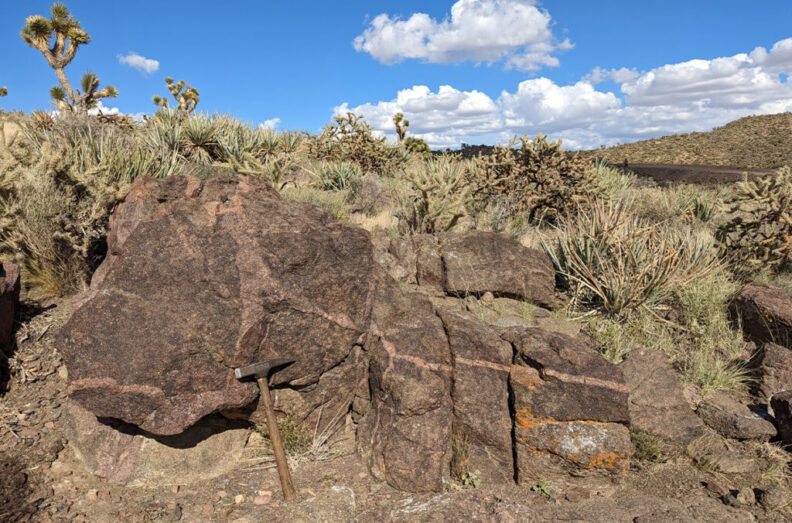
WSU geologist investigates formation of rare earth element deposits
A new National Science Foundation grant is helping researchers at Washington State University investigate how certain geologic systems form critical ore deposits, including at Mountain Pass mine in California’s Mojave Desert, the largest source of rare earth elements in the United States.
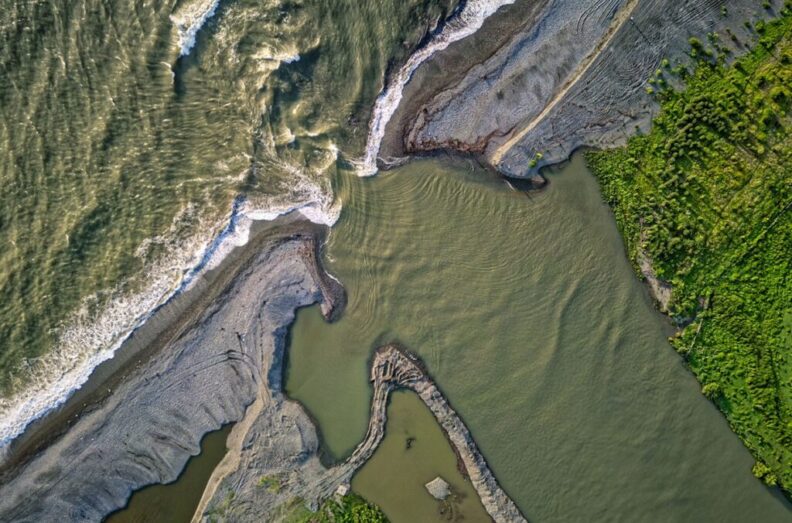
Study maps where humans are driving harmful nutrient levels along coasts
Along a quarter of the planet’s coastal waterways, humans contribute more harmful nitrogen – via agricultural runoff, wastewater discharges and other activities – than all natural sources combined.
Aquatics Phenomics Research Center supercharges undergraduate research
This summer, students from around the country are at WSU to address some of the most pressing questions facing aquatic ecosystems, from disease outbreaks and environmental stress to improving the resilience of species that are vital to Washington’s economy, ecology, and heritage.

WSU professors forecast Columbia Basin water issues
WSU professors spoke with Oregon Public Broadcasting (OPB) about the 2026 draft water supply forecast for the Columbia Basin.
Read more about the School of the Environment and the College of Arts and Sciences.
- WSU’s Singh contributes to National Academies report on climate change, extreme weather
- ‘Amazing moths’: Study pinpoints insect habitat that draws grizzlies to Glacier peaks
- Catherine ‘Katie’ Cooper named vice provost for faculty affairs and development
- New Meyer’s Point grants support environmental research and hands-on learning
- School of the Environment turns out for Graduate Spring Research Weekend
- WSU trio learns about Peruvian culture, water resource management during study abroad trip
- AI cuts wildlife tracking time from months to days
- WSU SURCA undergraduate researchers earn 65 awards
- A gas that causes climate change is bubbling out of reservoirs
- Ancient brines helped build Idaho’s Silver Valley and the Idaho Cobalt belt