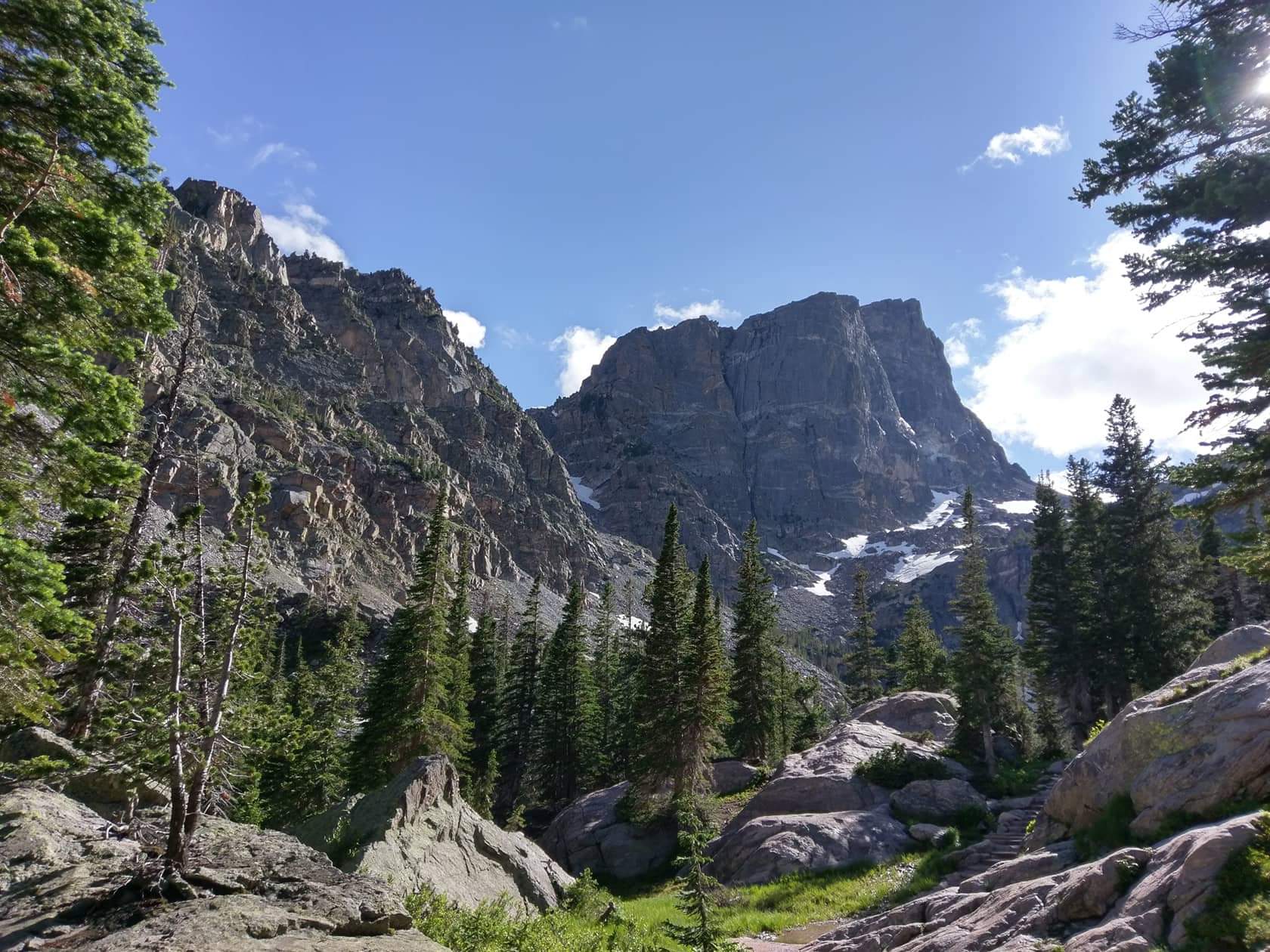
The Environmental and Ecosystems Sciences (EES) major at WSU combines a broad interdisciplinary science and social science background coupled with a flexible advanced curriculum for specialization.
This flexibility allows students to choose in-depth studies in a minor or specialized area of interest (e.g., aquatic ecology, forestry, geospatial analysis). This major provides hands-on research and management experience and prepares students for graduate school and management careers in a wide variety of environmental positions.
Our EES major is offered at our Pullman, Tri-Cities, and Vancouver campuses.
Your Experience in Environmental and Ecosystem Sciences
Become inspired to make a difference in your world in a program that prepares students to address the challenges of global change, environmental and resource conservation, and sustainability
- Benefit from a flexible interdisciplinary science curriculum that gives you the freedom to focus on what interests you the most and prepares you for numerous careers and graduate school
- Acquire hands-on experience from research at campus ecology laboratories, field camps, internship programs, and study abroad
- Work closely with professors who are nationally recognized for
- Environmental science
- Conservation biology and genetics
- Climate change biology
- Landscape and restoration ecology
- Aquatic ecology, water science, & water resource management
- Plant and wildlife ecology and management
- Earth science
- Receive academic and professional advising throughout your time here to support your optimum scholarly, professional and personal growth
- Expand your interest in the Environment and Ecosystems with field trips, lectures/seminars, scientific demonstrations and restoration activities by joining the Environmental Science Club.
- Learn the fundamental concepts of environmental and ecosystem science through course work and hands-on experience.
- Gain hands-on experience through field trips, field camps, internships and research.
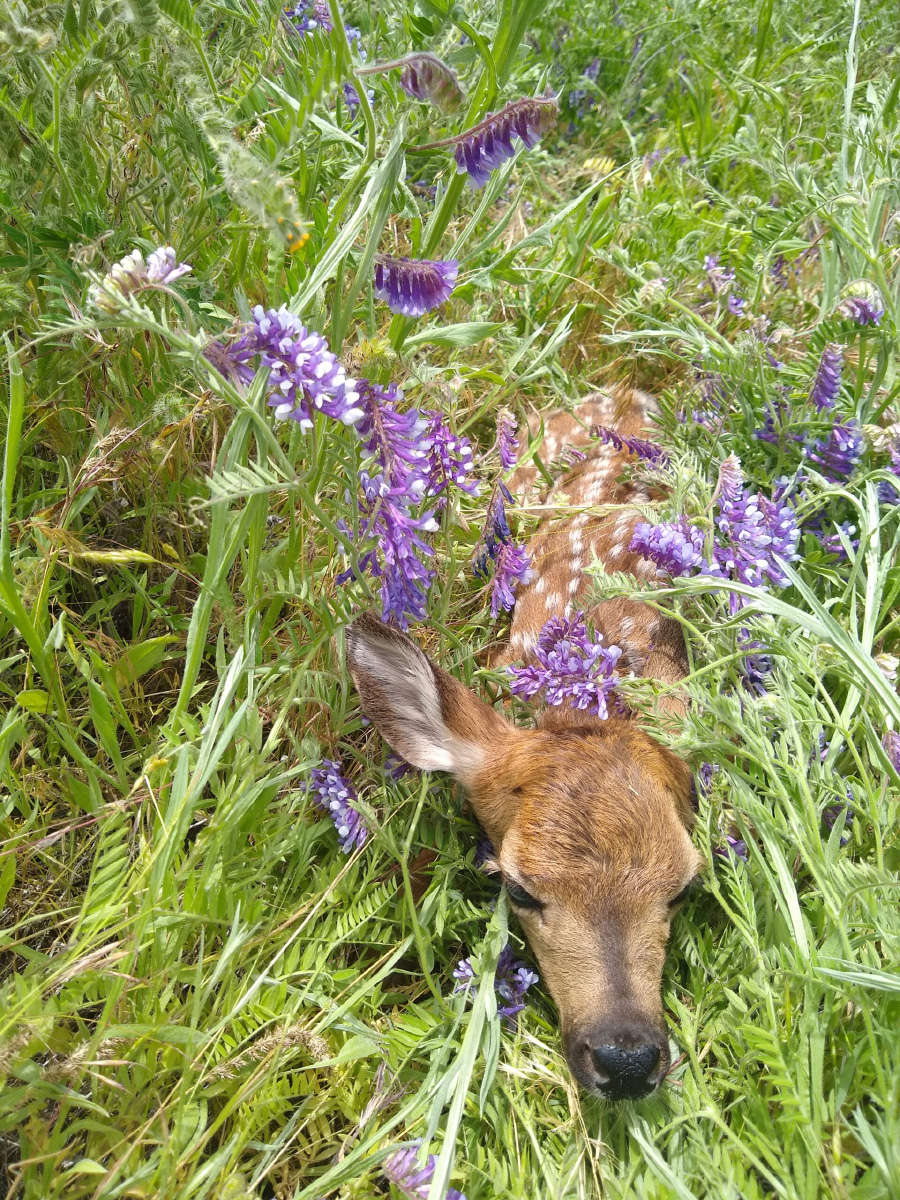
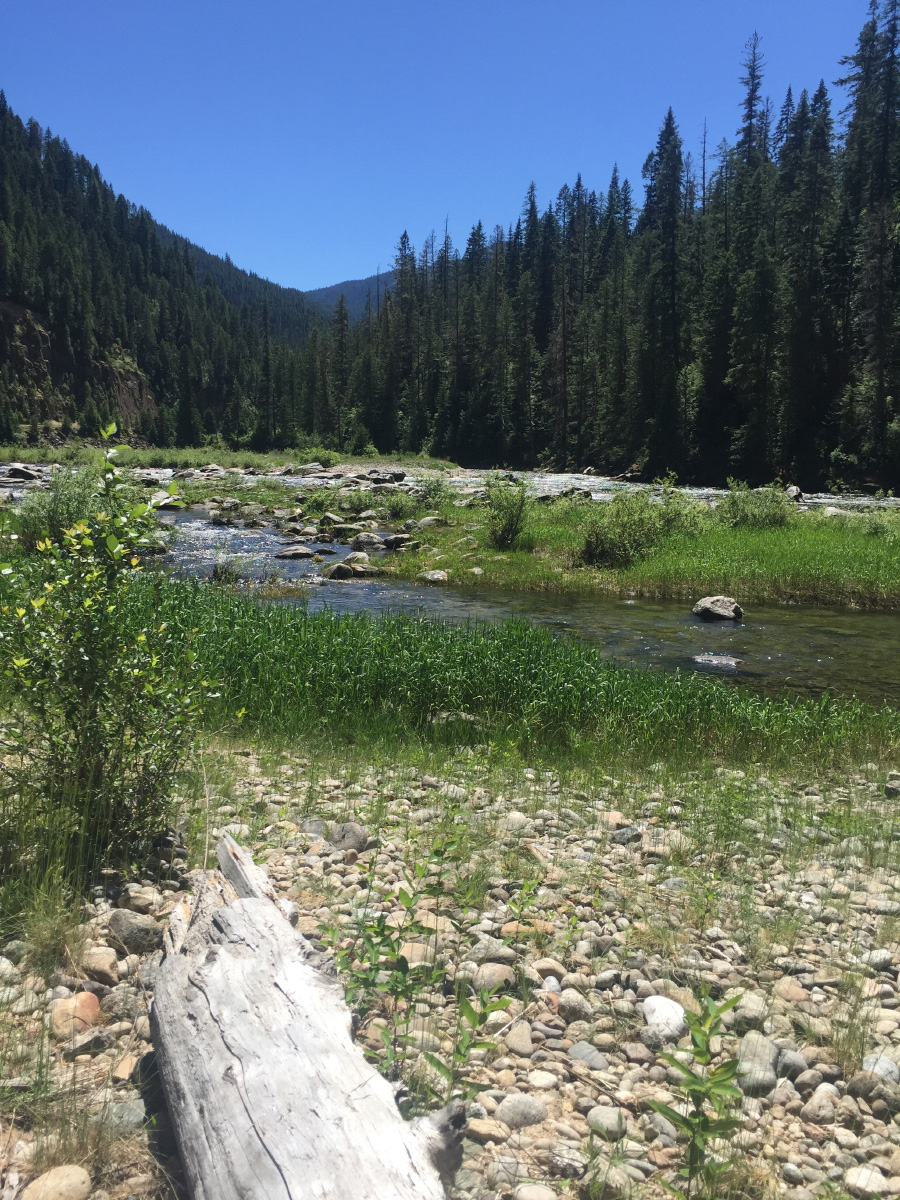
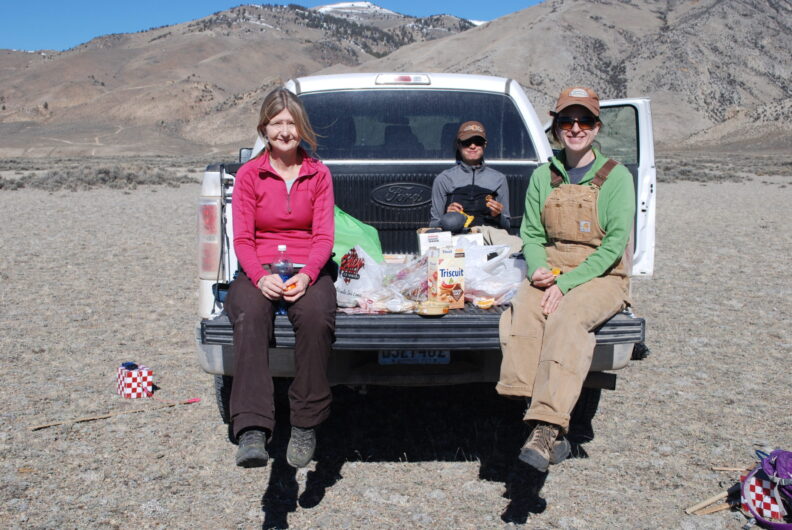
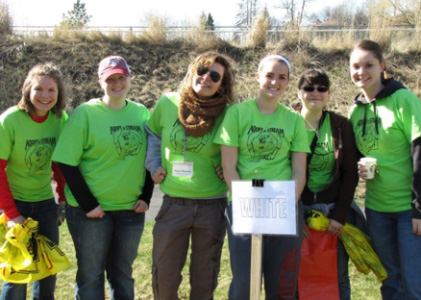
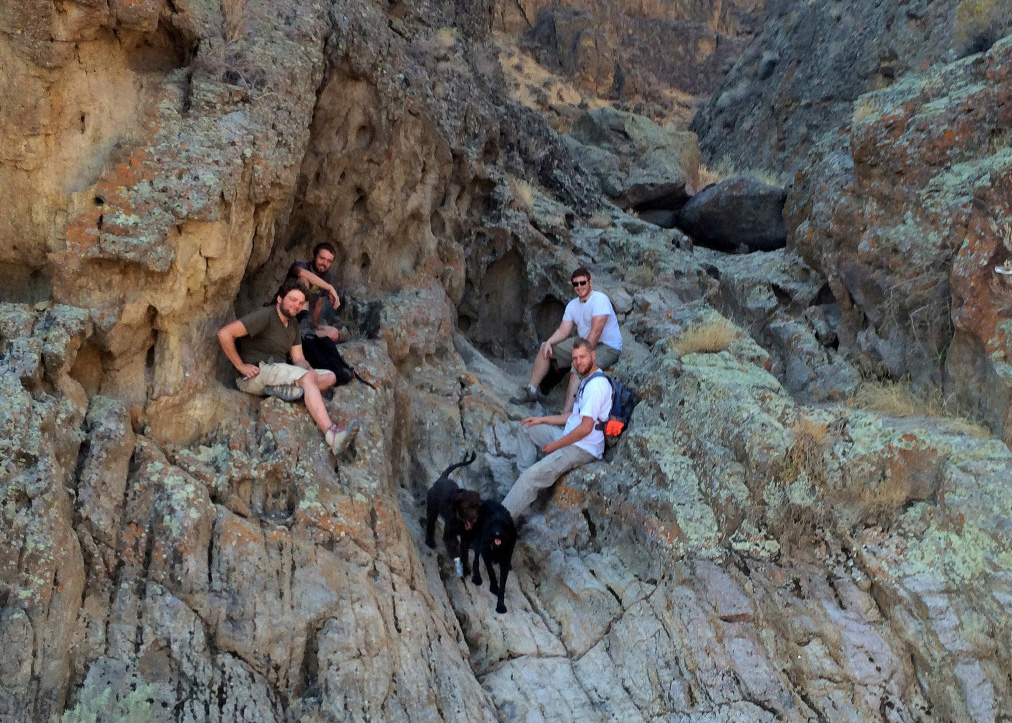
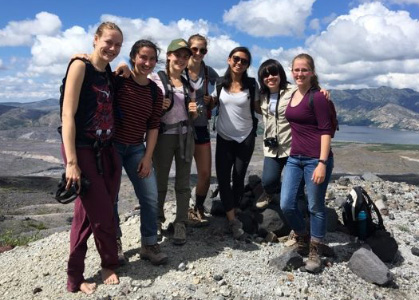
Your Hands-on Experiences
Your degree in Environmental and Ecosystem Sciences includes opportunities for both experiential learning with field trips, internships and study abroad as well as capstone courses to apply your scientific knowledge in a problem-solving atmosphere.
Your Career Options in Environmental and Ecosystem Sciences
- Ecological restoration consultant
- Wetland scientist
- Spatial data analyst
- Water resources manager
- Ground water advisor
- Watershed specialist
- City or regional planner
- Parks and recreation planner
- Earth science editor and writer
- Forest or park ranger
- Fishery manager
- Oceanographer
- Marine conservation biologist
- Marine fish conservationist
- Water pollution control technician
- Hazardous materials manager
- Health advocate
- Soil consultant
- Weather forecaster
- Sustainability consultant