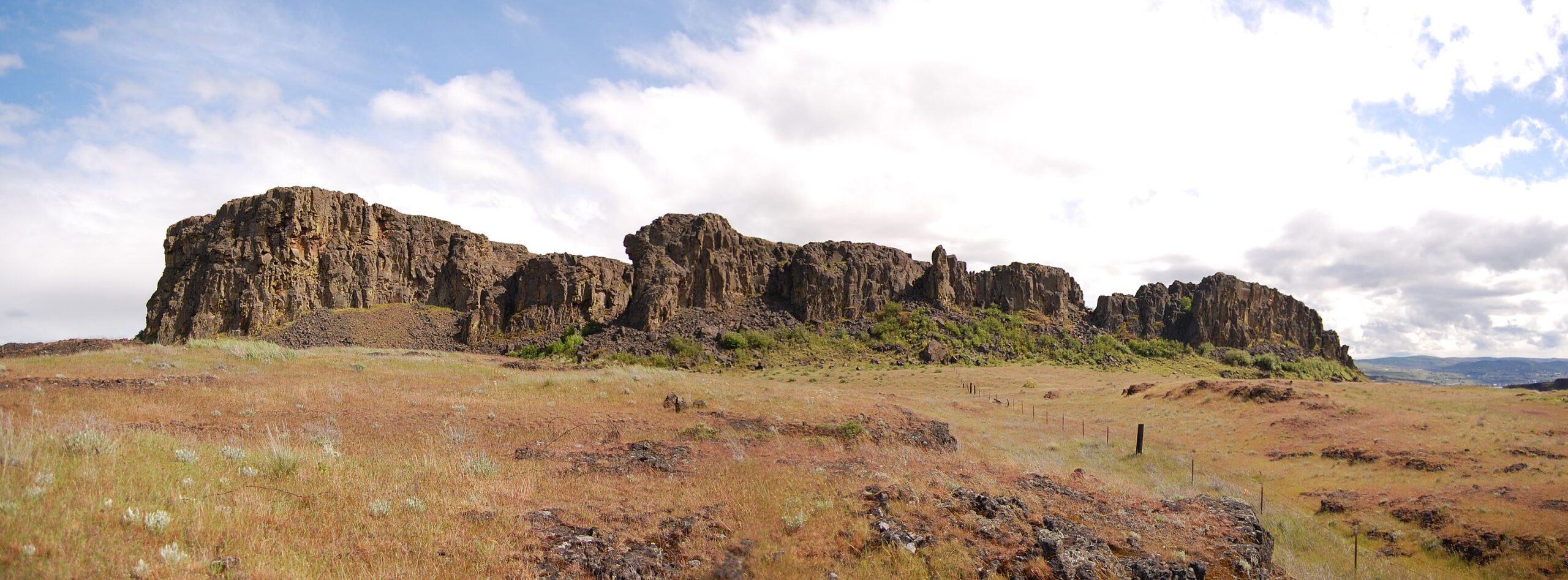
The Earth Science major at WSU prepares you with broad knowledge, technical and transferable skills, and field experience in the interdisciplinary world of Earth Sciences.
A fundamental understanding of Earth Sciences is urgently needed to address our most challenging global problems, such as exploring the sustainable use of the Earth’s resources, understanding the complexities of global climate change, conserving and managing critical water and mineral resources, and reducing human suffering and property loss from natural hazards, such as earthquakes, flooding, landslides, and volcanoes.
The integrated science curriculum of WSU’s School of the Environment will allow you to explore and understand the complex dynamics of the Earth’s physical, environmental, and biogeochemical processes that have supported the evolution of life on Earth.
Along the way, you’ll have unforgettable opportunities to experience the latest in science and technology education while learning in outdoor settings through extensive fieldwork in the beautiful and dramatic landscapes of the Pacific Northwest. With WSU professors as your mentors and guides, you may even conduct your own research or work alongside graduate students and faculty on field projects in Earth Sciences.
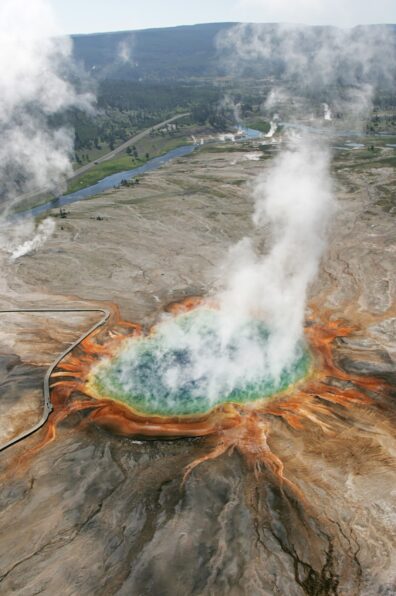
Subspecialties
Solid Earth geochemistry and geochronology
Earth surface processes
Structural geology/plate tectonics
Planetary science
Your Experience in Earth Science & Geology
Be inspired to make a difference in the real world by joining a leading academic and research program in Earth Science that prepares students to meet the growing demands on the Earth’s resources by better understanding our planet’s interrelated systems.
Get hands-on experience in science labs and teaching programs like the Radiogenic Isotope & GeoChronology Laboratory and the Peter Hooper GeoAnalytical Laboratory.
Work closely with professors who are nationally recognized experts in topics such as:
- Mountain belt formation and evolution
- Crustal deformation processes
- Plate tectonics and tectonic morphology
- Geomorphology
- Glacial systems and deposits
- Crustal processes
- Fluids in the crust and mineralized systems
- Hydrothermal systems
- Igneous petrology and volcanology
- Radiogenic isotope geochemistry and geochronology
- Geochemical analytical techniques
- Solid Earth geochemistry
- Chemical and physical evolution of the Earth
- Early Earth geology and geochemistry
- Geodynamics
- Continental lithosphere deformation
- Planetary interior dynamics
- Geochemistry of large volcanic eruptions
- Physical Scientist
- Geoscience education.
- K-12 and University Education
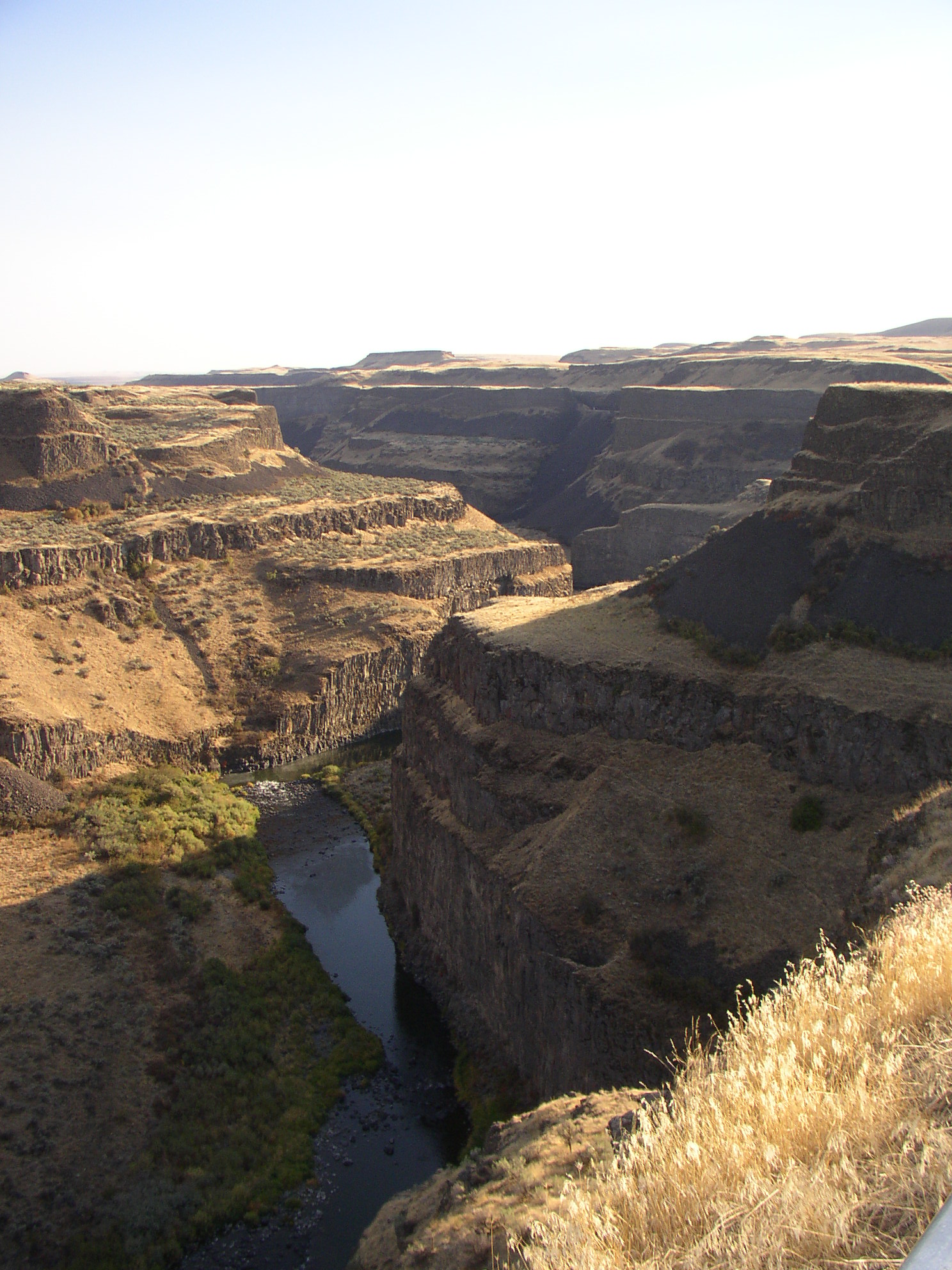
Study at nearby field sites, such as the Columbia River Basalt Plateau, Idaho and Wallowa batholiths, Cascade volcanoes, and local groundwater sources.
Expand your experience beyond the School of the Environment through our close ties to the Department of Geology at nearby University of Idaho.
- University general education requirements (UCORE)
- Basic biology, chemistry, physics, mathematics, and statistics
- Earth and Environmental Science integrated common core classes
- SOE 300 Natural Resources Ecology OR BIOL 372 General Ecology
- Introduction to GIS (SOILS 368)
- SOE 210 Earth History & Evolution OR SOE 250 Intro to Earth System Science
- SOE 312 Natural Resources & Society OR POL_S 430 The Politics of Natural Resource & Environmental Policy
- SOE 315 Water & Earth OR NATRS 460 Watershed Management
- Earth Science core classes
- Physical Geology (SOE 102)
- Minerology & Crystallography (SOE 350)
- Intro to Stats for Engineers STATS 370 or Statistical Methods in Research STATS 412
- Experiential summer field camps
- Geology Field Camp (SOE 207)
- Field Geology (SOE 408)
- Earth Science Areas of Emphasis
- Solid Earth
- Earth Surface Processes, Soils, and Geography
- Water and Climate
- Professional electives, minors, or internships that match your interests and enhance your career goals.
Your Hands-on Experiences
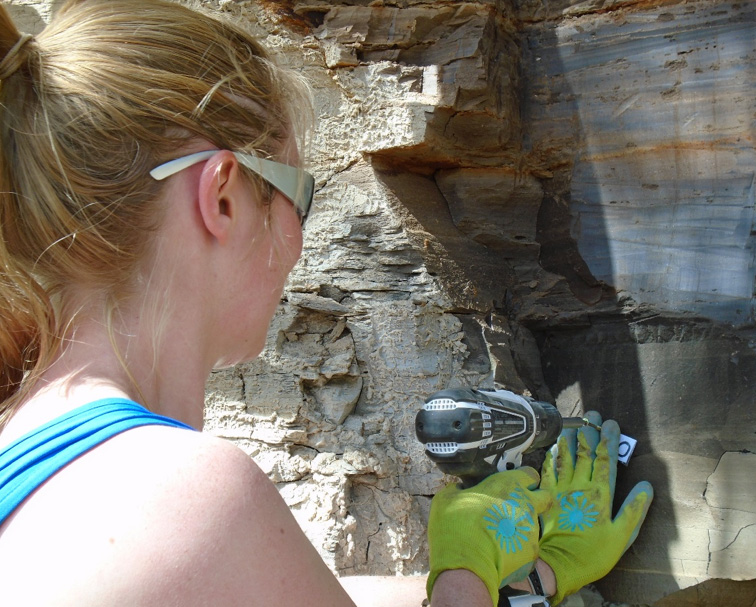
Your education in Earth Science in the School of the Environment will include many hands-on experiences including field trips, field camps, laboratory training, and internships.
Meet Faculty in the Geosciences
Get hands-on experience while learning in geology laboratories and working with leading geology researchers and educators, such as:
- GeoAnalytical Laboratory
- Computational Geodynamic Laboratory (Katie Cooper)
- Micro- and macro-scale geological processes; crustal evolution (Johannes Haemmerli)
- Biogeochemical interactions of climate, the biosphere, and the pedosphere (Marc Kramer)
- Chemical Weathering on Ecology, Hydrology, Geochemistry, and Microbiology (Kent Keller)
- Yellowstone hot springs, hydrothermal systems, stable isotope geochemistry (Peter Larson)
- Structural geology, sedimentation, tectonics (Sean Long)
- Planetary science and Geoscience education (Julie Menard)
- Radiogenic Isotope Laboratory (Jeff Vervoort)
- Volcanoes, super-eruptions, composition of volcanic rocks
Your Career Options in Earth Sciences
- Exploration geoscientist
- Geochemist
- Geophysicist
- GIS Specialist
- Environmental Scientist
- Physical Scientist
- K-12 and University Educator
- Geochronologist
- Climatologist
- Hydrologist
- Petroleum or mining geologist
- Mineralogist
- Planetary geologist
- Volcanologist
- Oceanographer
Geology Club
The WSU Geology Club provides the opportunity for students who are interested in geological sciences to learn local and regional geology; to interact among students, faculty, and industry leaders; and to be involved in relationship development among students, faculty, and community members.
Activities include monthly club meetings, field trips, special lectures and seminars, scientific demonstrations, and the Rock & Mineral Sale during WSU’s Family Weekends.
If you are interested in joining the Geology Club, please e-mail geologyclub@mail.wsu.edu.