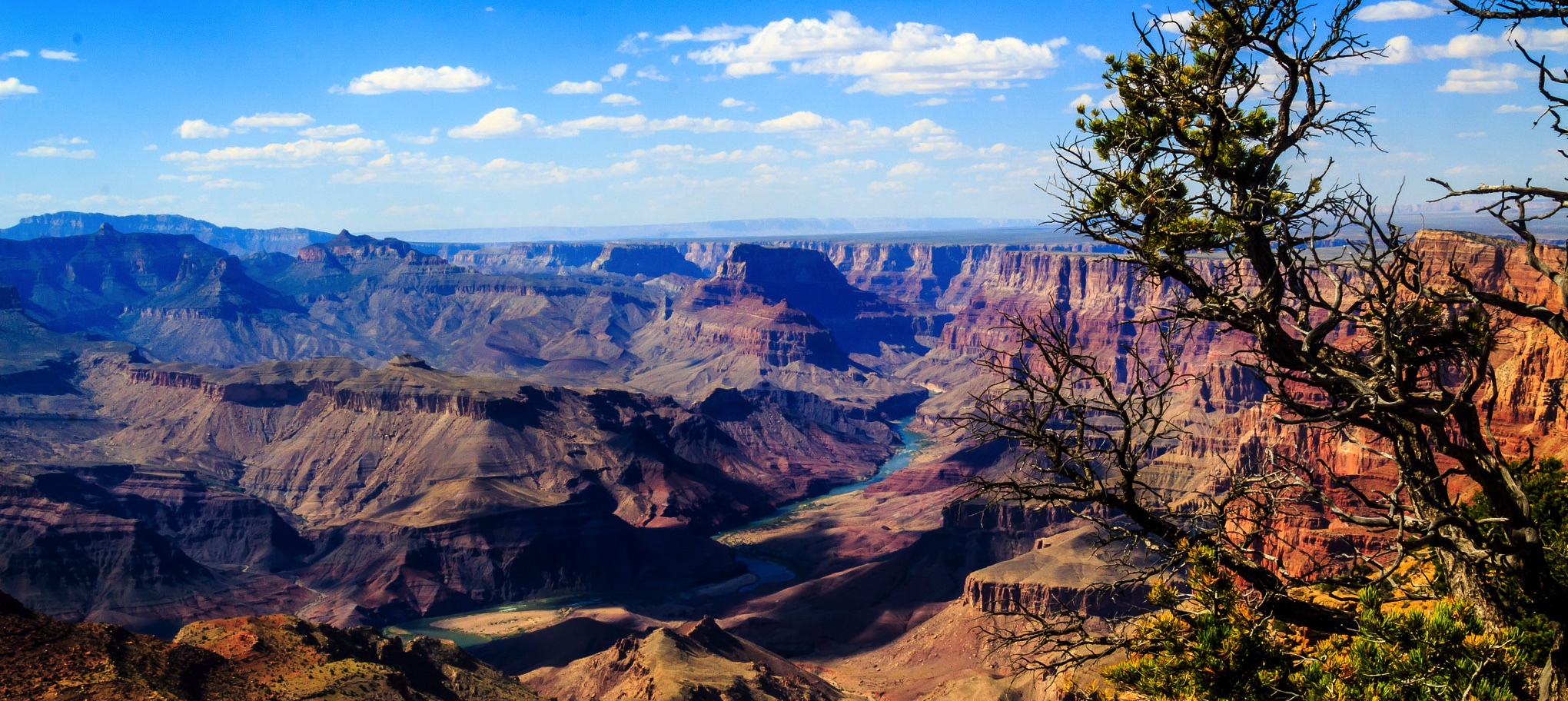
Geology focuses on fundamental questions of global ecology in the earth sciences and the broad geosciences, ranging from how the Earth formed, how it has evolved through time, and how complex biogeochemical and physical processes operate and are changing in today’s world.
Geoscientists study Earth system processes and hydro-geochemical cycles on timescales covering deep geologic time to the present day. At WSU, researchers are investigating regions of the Earth from its deep interior to its highest mountains and Earth materials ranging from the planetary building blocks to volcanic magma to sand on the seashores.
Our geologists and geoscientists leverage NASA and NSF-funded research to explore both terrestrial and planetary geosciences using in-house, cutting-edge research facilities including the Peter Hooper GeoAnalytical Lab and the Radiogenic Isotope & Geochronology Laboratory
WSU geology graduates are broadly trained, professional geoscientists with the ability to conduct original scientific research.
Master of Science (MS)
The primary goal is to prepare you for professional employment in a broad range of geoscience careers—environmental consulting, minerals/petroleum industry, local/state/federal resource-based or management agencies, teaching, and more—and to serve as a foundation for continuing to graduate studies at the PhD level.
It is a two-year graduate degree program with opportunities pursue specialization in areas aligned with your research interest and needs. Typical areas of focus include:
- Sedimentology — Stratigraphy
- Structural Geology – Tectonics
- Minerology Petrology — Geochemistry
- Hydrogeology — Biogeochemistry
- Geophysics — Geodynamics
Your master’s thesis is expected to be a publishable contribution to the field of geology and the geosciences.
MS Degree Requirements
It is expected that the MS degree requirements will be completed in two years of full-time enrollment with research assistantship responsibilities.
Master’s candidates must complete a minimum of 30 credit hours of approved graduate coursework including:
- At least 21 hours of graded coursework, including
- At least 15 hours minimum of graded course work at the 500 level
- Up to 6 hours maximum non-graduate graded coursework is allowed at the 300-400 levels only.
- SOE 501 (Graduate Skills Seminar, 1 credit hour) must be taken during the first year of the program (not graded)
- At least 2 hours (semesters) of SOE 598 (Seminar, not graded)
- 4 hours minimum of SOE 700 (MS research, thesis or examination), 2 hours of which must be taken in the semester of the final exam (not graded).
A final geology oral exam with emphasis on the work presented in your thesis is required.
Your First Step
Explore our faculty research websites to learn about their work and how it aligns with your interests. Begin your graduate studies journey by contacting faculty directly—they are waiting to hear from you!
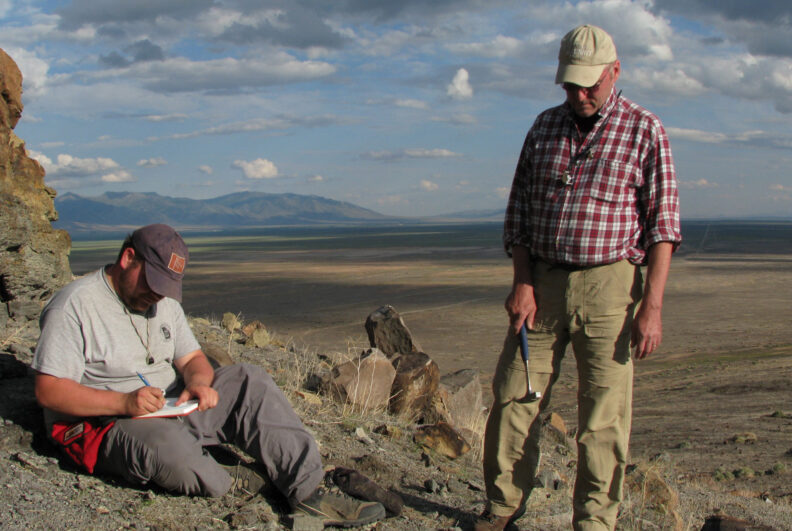
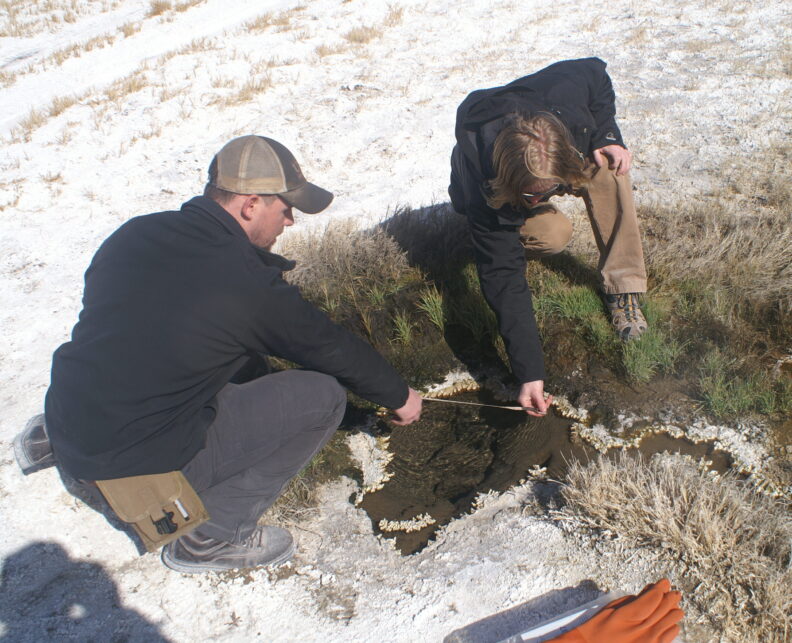

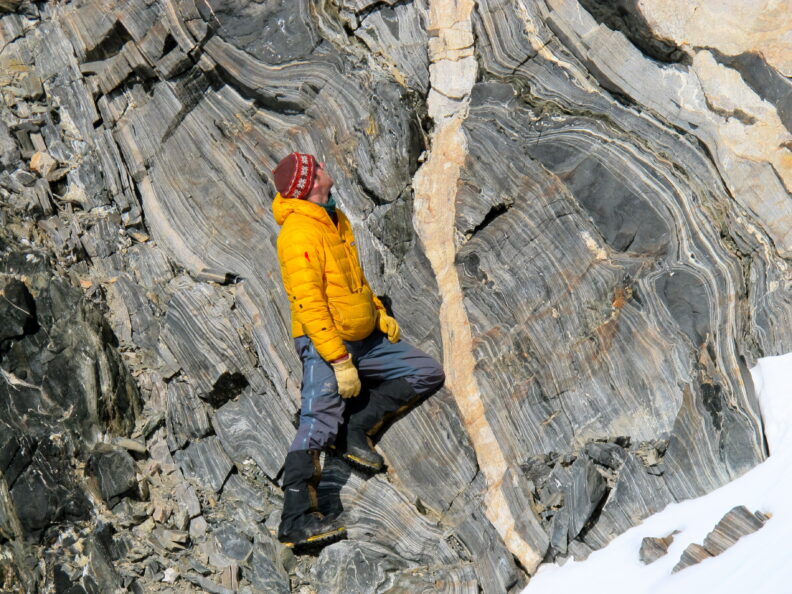
Developing a Program of Study
You will develop a program of study in cooperation with a supervisory committee that includes your faculty advisor as chair. The program of study outlines your classwork and research credits for completing your degree.
Pullman, Puyallup, and Tri-Cities Students
Programs of study are due during your third semester of study and no later than:
- October 1 if your third semester is during the fall
- March 1 if your third semester is during the spring
Vancouver Students
Your program of study is due at the end of your second semester.
Both preliminary and final exams are required and will test your knowledge of geology with emphasis on the work presented in your dissertation.